

Medium speed vehicles, once considered a simple vehicle for transporting players across the greens, have evolved into highly specialized, eco-friendly machines that are an integral part of the modern golfing experience. From their humble beginnings to their current role as low-speed, electric-powered vehicles, the development of medium speed vehicles mirrors the broader trends of technological innovation and environmental sustainability in the automotive world.
The Early Beginnings
The history of medium speed vehicles dates back to the early 1950s when the need for an efficient, practical vehicle on the golf course became apparent. Initially, golfers would often walk the course, but the increasing popularity of the sport, coupled with the growing number of senior players, led to the invention of the first electric medium speed vehicle. In 1951, the first known electric medium speed vehicle was introduced by the Pargo company, offering a more efficient and less physically demanding alternative to walking.
The Rise of the Medium Speed Vehicle Industry
By the late 1950s and early 1960s, medium speed vehicles began to be adopted by golf courses across the United States. Initially, these vehicles were used mainly by golfers with physical limitations, but as the sport continued to grow in popularity, the utility of medium speed vehicles extended beyond individual use. The 1960s also saw the introduction of gasoline-powered medium speed vehicles, which offered more power and range than their electric counterparts.
As demand surged, several major manufacturers emerged in the medium speed vehicle industry, each contributing to the growth of the market. With improved designs and greater production capacity, these companies began to establish the foundation for medium speed vehicles as we know them today.
A Shift Towards Electric Power
The 1990s marked a turning point in the medium speed vehicle industry, as environmental awareness and rising fuel costs led to a stronger focus on electric models. Advances in battery technology, particularly in the development of more efficient lead-acid and lithium-ion batteries, made electric medium speed vehicles more practical and cost-effective. This shift was in line with broader trends toward sustainability in both the automotive and recreational vehicle industries.
As electric medium speed vehicles became more energy-efficient and affordable, their popularity soared—not just on golf courses but also in other settings such as gated communities, resorts, and urban areas. In addition to being environmentally friendly, electric carts offered quieter operation and lower maintenance costs compared to their gasoline-powered counterparts.
The Modern Medium Speed Vehicle: High-Tech and Eco-Friendly
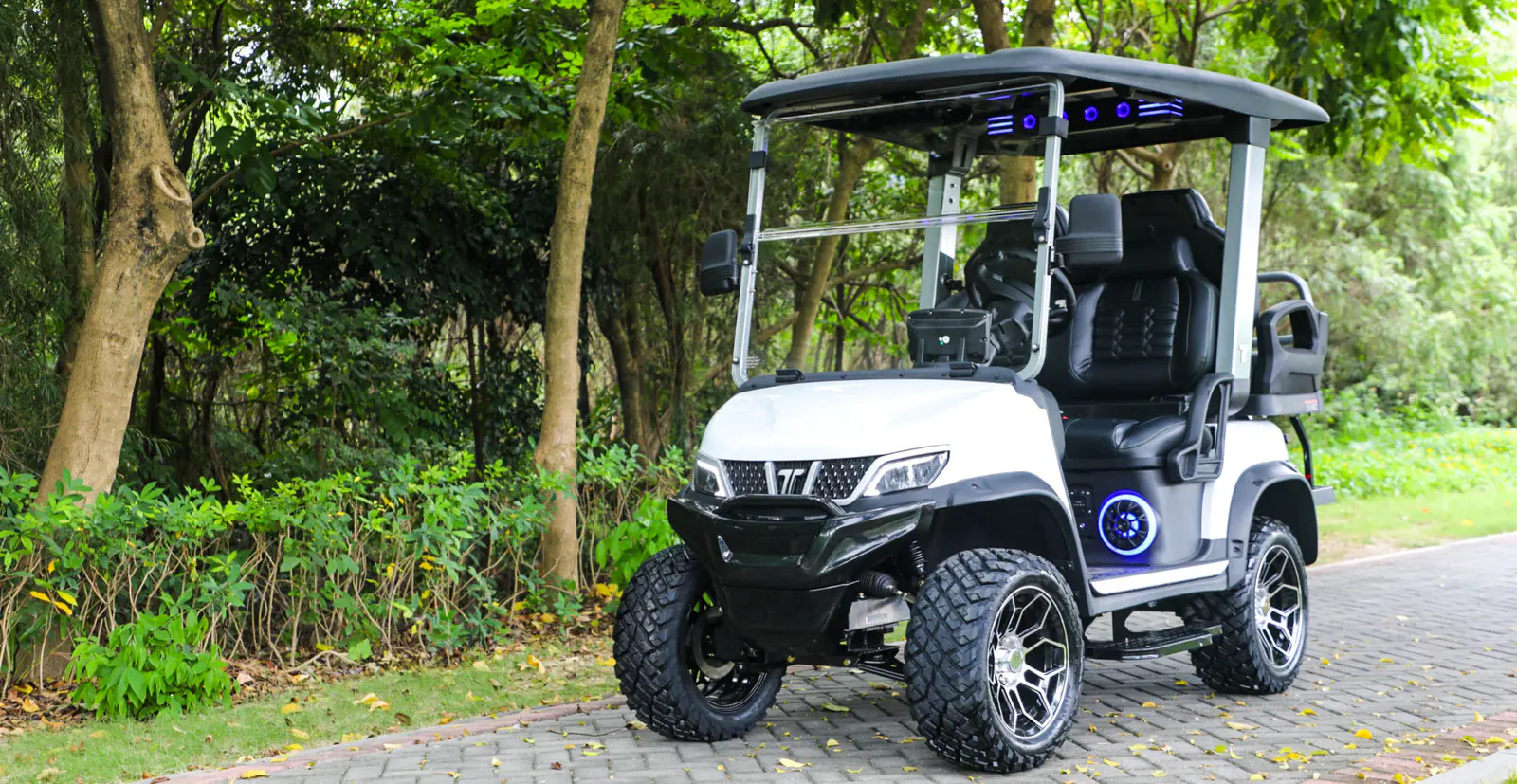
Today's medium speed vehicles are not just functional; they are smart, comfortable, and equipped with advanced features. Manufacturers now offer medium speed vehicles that are fully customizable with options such as GPS navigation, advanced suspension systems, air conditioning, and even Bluetooth connectivity. The advent of autonomous driving technology and the integration of medium speed vehicle (EV) principles continue to shape the future of medium speed vehicles.
One of the most significant trends in recent years is the shift toward even more environmentally-friendly medium speed vehicles. Many modern medium speed vehicles are powered by lithium-ion batteries, which offer improved performance, longer life spans, and quicker charging times compared to traditional lead-acid batteries. Furthermore, with increasing interest in Low-Speed Vehicles (LSVs) and street-legal carts, the potential for medium speed vehicles to become a primary mode of transportation in certain communities is growing.
Looking to the Future
As the medium speed vehicle industry continues to innovate, manufacturers are focusing on enhancing performance, comfort, and sustainability. Emerging technologies like solar power, AI-driven navigation systems, and next-generation batteries are paving the way for a new era of medium speed vehicles that promise to make courses greener, more efficient, and more enjoyable for players of all ages.
The journey of medium speed vehicles—from their modest beginnings to their current state of high-tech, eco-friendly vehicles—reflects the broader trends in both the recreational and automotive industries. As we look to the future, medium speed vehicles will undoubtedly continue to evolve, maintaining their status as an essential part of the golfing experience while playing an increasingly prominent role in sustainable transportation.
Post time: Nov-14-2024