

When planning golf course or resort vehicles, many managers and players ask: How fast do medium speed vehicles go? Authoritative data shows that most standard electric medium speed vehicles have a top speed of 15–25 mph (approximately 24–40 km/h), while gasoline-powered medium speed vehicles may be slightly faster, reaching up to 30 mph (approximately 48 km/h). Speed varies depending on vehicle type, battery capacity, load, and terrain conditions. This figure not only affects the operational efficiency of the course but also directly relates to safety regulations and vehicle maintenance strategies.
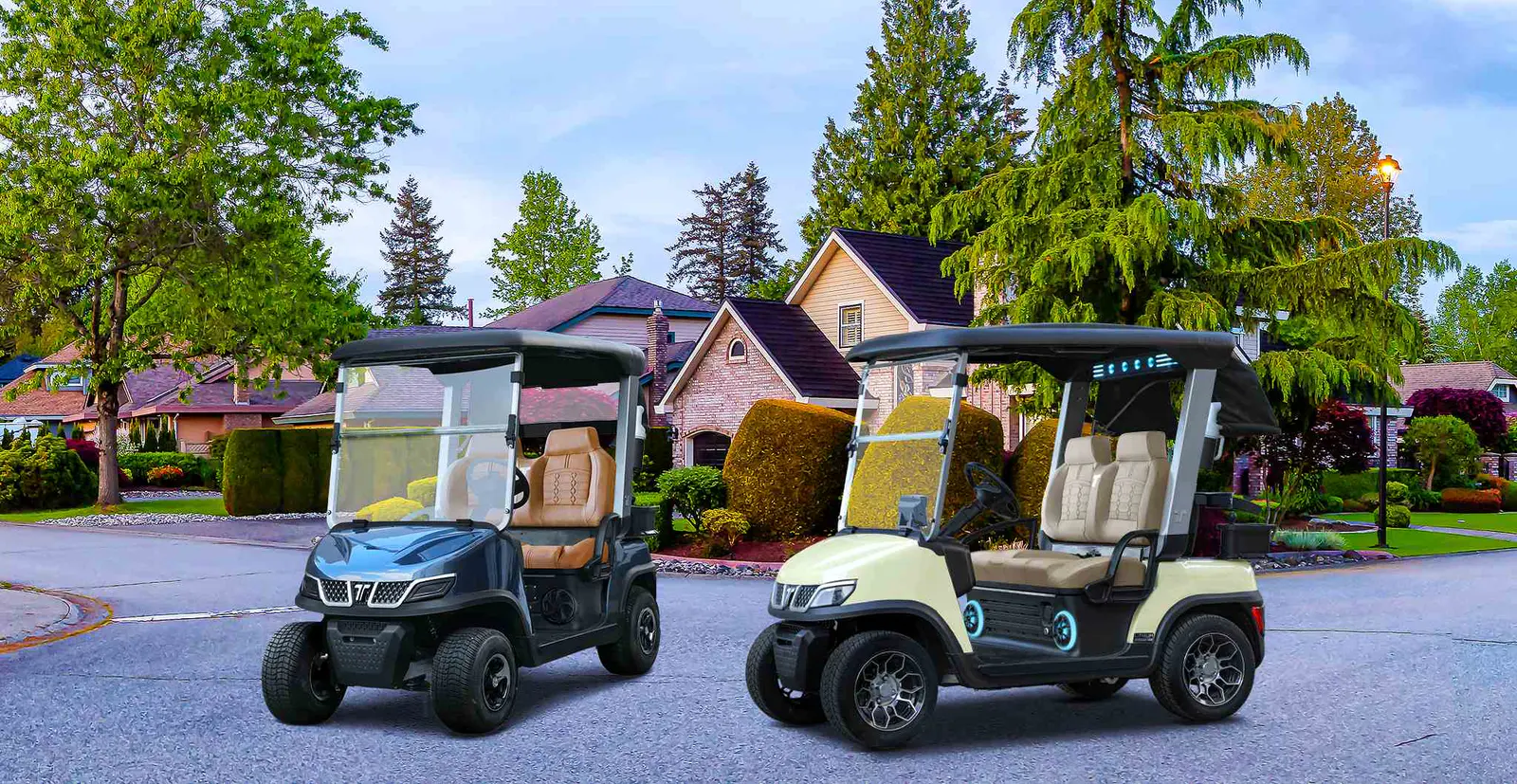
Standard Electric Medium Speed Vehicle Speed Analysis
Electric medium speed vehicles are the mainstream choice for modern courses, their power systems primarily relying on 48V or 72V battery packs. Standard models are generally designed with a speed limited to 24–25 km/h, with a maximum of 30 km/h, to ensure safe operation on course paths and slopes.
Factors affecting the speed of electric medium speed vehicles include:
Battery Capacity: Higher capacity results in better output stability and less speed drop when climbing hills or fully loaded.
Load: When fully loaded with 4–6 people or supplies, the speed may decrease by 10–15% compared to when empty.
Terrain & Gradient: Hilly courses or unpaved paths can affect acceleration performance.
In contrast, gas-powered medium speed vehicles, using internal combustion engines, have higher output power and can easily reach top speeds of 40–50 km/h, but this comes with noise and emissions.
Safety and Operation Regulations for Electric Medium Speed Vehicles
While some golf courses allow slight speed limits for electric carts, the following regulations are generally followed:
Speed Limit Signs: Most courses stipulate a speed limit of 15–20 km/h on fairways or medium speed vehicles.
Operator Training: Drivers should be familiar with the vehicle’s braking, steering, and hill-climbing techniques. Regular Maintenance: Tires, brakes, batteries, and control systems require regular inspection to ensure stable performance.
Tara’s designs incorporate safety features into all electric medium speed vehicles and utility vehicles, including electronic speed limiting and parking functions, ensuring user safety while maintaining efficient operation.
Technical Factors Affecting Medium Speed Vehicle Speed
Battery Type
Electric medium speed vehicles commonly use lead-acid batteries or lithium-ion batteries.
Lead-acid batteries were once the mainstream choice due to their affordability, but they are heavier, limiting acceleration and performance output.
Lithium-ion batteries are lightweight, charge quickly, and have a long lifespan, maintaining stable speed even under full load and on inclines.
Motor Power
Standard electric medium speed vehicles typically come with a 3–5 kW motor, while high-performance models can reach 6–7 kW, directly determining the vehicle’s acceleration and climbing performance. Tara’s course series models come standard with a 6.3 kW motor, ensuring optimal performance.
Surface & Terrain
Smooth paved surfaces allow medium speed vehicles to easily approach their top speed, while it is recommended to slow down for safety when traversing wet, slippery grass or rough paths.
Frequently Asked Questions (FAQ)
Q1: Is there a legal speed limit for medium speed vehicles?
In the United States, most golf courses and communities stipulate that electric medium speed vehicles cannot exceed 25 mph (approximately 40 km/h) on fairways or in residential areas. Exceeding this speed limit may be a violation and affect insurance claims.
Q2: How fast do medium speed vehicles go when fully loaded?
When fully loaded with 4–6 people, the top speed of a standard electric medium speed vehicle may decrease by 10–15%, to approximately 20–22 km/h. Lightly loaded or empty, it can return to its designed speed.
Q3: Which is faster, an electric medium speed vehicle or a gasoline-powered medium speed vehicle?
Gas-powered medium speed vehicles generally have slightly higher speeds, reaching up to 30 mph (approximately 48 km/h), but electric medium speed vehicles are quieter, have lower maintenance costs, and are more environmentally friendly, making them more suitable for golf courses and communities.
Q4: Is it safe to increase the speed of electric medium speed vehicles?
Non-standard modifications or speeding modifications increase the risk of rollovers or brake failure. It is recommended to use original equipment manufacturer (OEM) or certified high-performance models and strictly adhere to the course’s speed limits.
Application Value
In golf courses, resorts, and urban communities, vehicle speed directly impacts operational efficiency and the experience:
Golf Course: Maintaining a reasonable speed ensures the safety of the fairways and greens while guaranteeing tournament or roving efficiency.
Resort: Electric medium speed vehicles or utility vehicles can quickly connect guest rooms to the course, improving customer satisfaction.
Residential Complex: Low-noise, environmentally friendly electric medium speed vehicles are suitable for community transportation, but must comply with community traffic regulations.
How to Choose a Medium Speed Vehicle with the Right Speed
Define the intended use: Roving, material transport, player transportation, or a multi-functional vehicle. Consider the terrain: Standard electric medium speed vehicles are sufficient for flat courses, while high-powered or lifted medium speed vehicles are recommended for hilly courses.
Focus on battery performance: High-capacity, high-quality batteries ensure climbing hills and full-load speed.
Prioritize brand reliability: Tara electric medium speed vehicles excel in speed stability, safety protection, and overall reliability.
Summary
Understanding the speed range of medium speed vehicles is crucial for course operations, safety management, and vehicle selection. By selecting electric medium speed vehicles or utility vehicles and configuring and managing them appropriately according to site conditions and usage needs, Tara medium speed vehicles enable efficient, safe, and environmentally friendly operations.
Post time: Feb-06-2026