
In golf courses and commercial facilities, selecting the right medium speed vehicle model is crucial for improving operational efficiency and user experience. Different types of medium speed vehicle models are designed for different usage scenarios, such as player transport, course maintenance, or short-distance shuttles. Therefore, the ideal choice is not a single model, but a comprehensive configuration combining electric medium speed vehicles and utility vehicles.
For golf clubs, choosing the right medium speed vehicle model not only optimizes course operations but also reduces long-term maintenance costs. This is why more and more managers prefer to partner with professional medium speed vehicle manufacturers to obtain solutions that better match their actual needs.
The Core Classification Logic of Medium Speed Vehicle Models
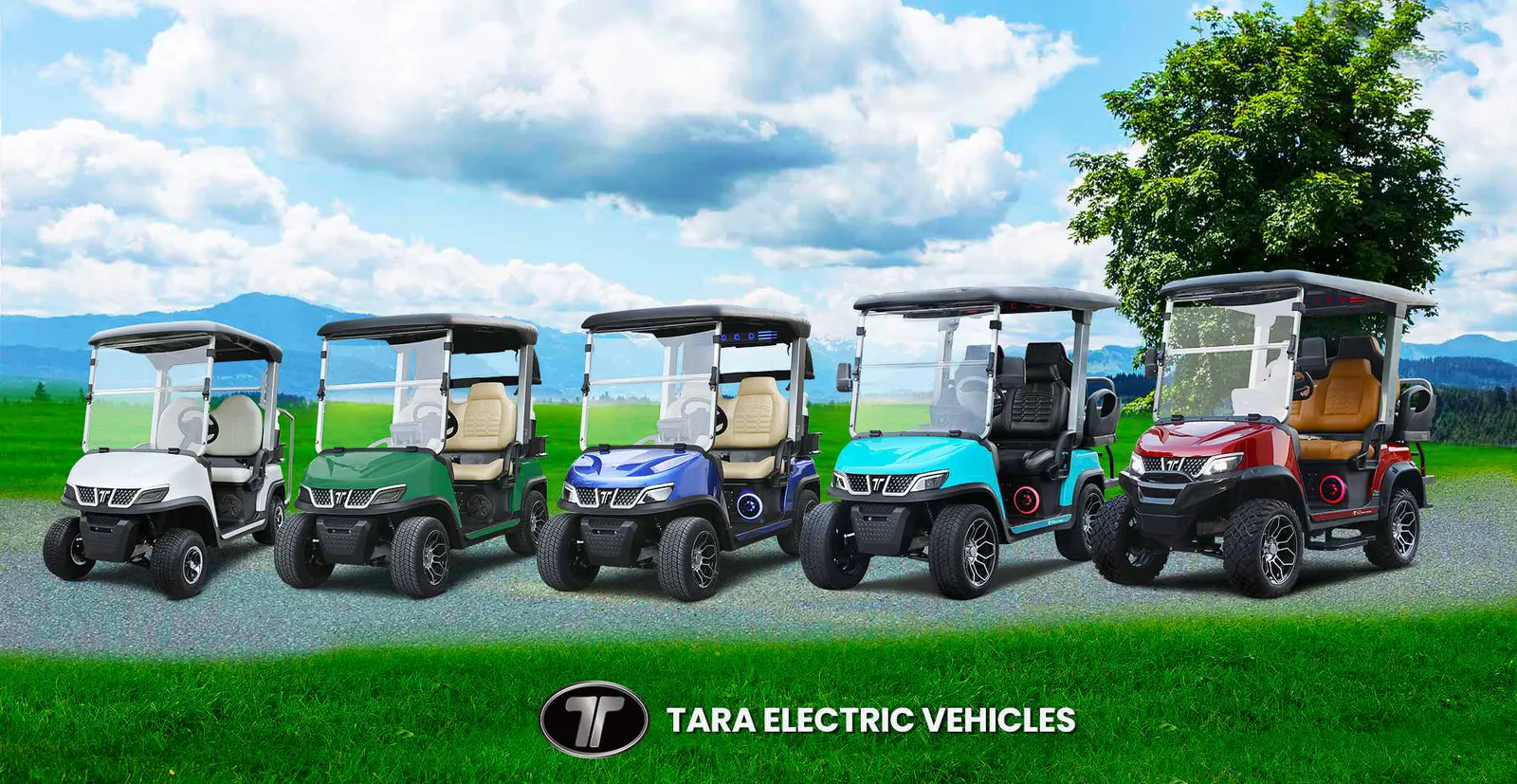
In practical applications, medium speed vehicle models can generally be divided into several main types based on function and usage scenario:
Player Electric Medium Speed Vehicles
These are the most common medium speed vehicle models, primarily used for moving players between fairways. Their design focuses on comfort, stability, and protection of the greens.
Multi-Seat Shuttle Vehicles
Suitable for resorts or large courses, these electric medium speed vehicles typically have a 4- or 6-seat layout for personnel transport.
Utility Vehicle
Utility vehicles are functional medium speed vehicle models, primarily used for transporting equipment or performing maintenance tasks, emphasizing load capacity and practicality.
By appropriately combining different types of medium speed vehicle models, a golf course can construct a complete transportation and operational system.
Electric Medium Speed Vehicles: Main Vehicle
Among all medium speed vehicle models, electric medium speed vehicles are the most frequently used. Their design directly impacts player experience and course efficiency.
Key design considerations include:
Stable Handling Performance: Adapting to the undulating terrain of the course to ensure smooth driving.
Battery Range: Efficient battery systems support long-term operation, reducing charging frequency.
Comfort Design: Including seats, shock absorption systems, and ease of operation.
Low Noise Operation: Maintaining a quiet environment on the golf course.
These factors determine whether a medium speed vehicle model is suitable for long-term use.
Medium Speed Vehicle Fleet: From Vehicle Model to Systematic Management
In actual operation, golf courses typically do not purchase only a single vehicle but rather establish a complete medium speed vehicle fleet. The fleet configuration needs to comprehensively consider different types of medium speed vehicle models.
A suitable medium speed vehicle fleet typically includes:
Standard 2-seat electric medium speed vehicles
Multi-seat shuttle vehicles
Several utility vehicles
This combination allows the course to meet player needs while ensuring smooth routine maintenance.
Professional medium speed vehicle manufacturers usually provide tailored fleet configuration recommendations based on the course size and usage requirements.
How to determine if a medium speed vehicle model is suitable?
When choosing a specific medium speed vehicle model, it’s essential to consider actual usage scenarios, rather than simply focusing on specifications.
Usage scenario matching: Different scenarios (courses, communities, resorts) have different vehicle requirements.
Durability and stability: High-frequency use environments require reliable vehicle performance.
Maintenance costs: Simple, easy-to-maintain electric medium speed vehicles offer greater long-term value.
Expandability: Does it support different configurations or upgrade options?
These factors collectively determine whether a particular medium speed vehicle model is worth investing in.
Utility Vehicles: A crucial vehicle type that cannot be ignored
While most attention is focused on player vehicles, utility vehicles are equally important for course operations.
Typical applications include:
Lawn equipment transportation
Maintenance tool handling
Site inspection
Logistics support
An efficient golf course system must incorporate utility vehicles into the overall medium speed vehicle model planning.
Frequently Asked Questions (FAQ)
What are the common types of medium speed vehicle models?
Common medium speed vehicle models include standard electric medium speed vehicles, multi-seat shuttle vehicles, and utility vehicles, each used for different scenarios.
What is the typical range of electric medium speed vehicles?
Most electric medium speed vehicles can travel 40–60 kilometers on a full charge, sufficient for 2 to 3 rounds of 18-hole courses.
How to choose the right medium speed vehicle fleet?
Different types of medium speed vehicle models should be rationally configured based on the course size, visitor traffic, and usage scenarios to form a complete medium speed vehicle fleet.
Is a utility vehicle necessary?
For courses requiring routine maintenance, utility vehicles are essential, significantly improving operational efficiency.
From Vehicle Selection to Overall Solutions
In the modern golf industry, vehicle selection has evolved from a single product choice to a systematic decision-making process. An excellent medium speed vehicle model not only needs superior performance but also seamless integration into the overall operational system.
By strategically configuring electric medium speed vehicles, building an efficient medium speed vehicle fleet, and combining them with practical utility vehicles, golf courses can achieve higher levels of operational efficiency and service experience.
For golf clubs seeking long-term, stable development, partnering with a professional medium speed vehicle manufacturer and selecting a medium speed vehicle model tailored to their specific needs is a crucial step towards achieving efficient operations.
Post time: Mar-30-2026